

Dementia Care
What is Dementia Care?
Dementia can make it hard for a person to remember things, understand what is happening, or do everyday tasks.
Our carers give gentle support so the person can feel safe, calm, and cared for at home.
How do we help?
We can help with:
Getting washed and dressed
Eating healthy meals
Taking medicine safely
Remembering important things
Keeping a simple daily routine
Going for walks or doing activities
Keeping the home safe
Talking, listening, and giving company
HOME CARE SERVICE
Dementia care
Dementia care supports a person living with memory, thinking or communication changes. Good support is specific: it uses familiar routines, clear communication and careful observation.
WHO IT IS FOR
When this support may help
- People diagnosed with dementia
- People experiencing memory changes while seeking assessment
- Families who need support with routines and safety
- People whose behaviour or communication has changed
WHAT IS INCLUDED
Support agreed in your care plan
- Support with familiar daily routines
- Personal care and nutrition
- Medication support when assessed
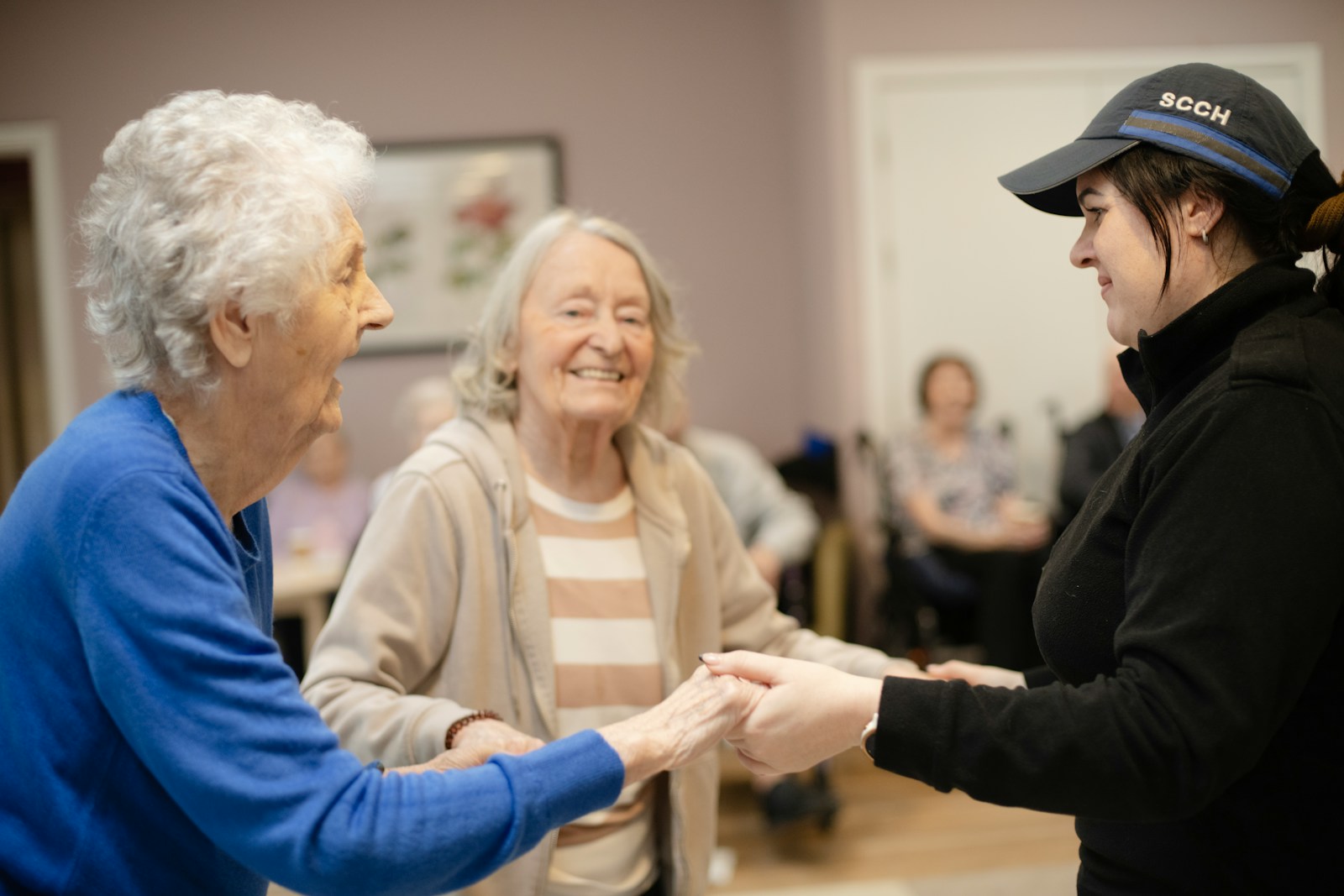
- Meaningful activities and community connection
- Communication approaches recorded in the plan
- Reporting changes, distress or new risks
PLANNING
How this care is planned
The assessment includes life history, preferred communication, routines, known triggers, capacity and consent, environmental risks, nutrition, mobility and family involvement.
QUALITY CONTROLS
What good support should show
- Staff use the agreed communication approach
- Distress is treated as communication, not a label
- Restrictions are not introduced without lawful review
- Care plans are updated when presentation changes
COMMON QUESTIONS
Questions about dementia care
Can someone with dementia remain at home?
Many people can remain at home with the right support. An assessment is needed to understand risks, needs, informal support and whether home care is a safe option.
Do you provide diagnosis or clinical treatment?
No. Civic provides social care. Medical assessment and treatment remain with the appropriate NHS professionals.
How are families involved?
The person’s wishes and legal decision-making arrangements guide information sharing. Family knowledge can be valuable and is included appropriately.
NEXT STEP
Discuss dementia care
A care conversation helps us understand what support is needed, where it is needed and what should happen next.
Why is routine important?
A clear routine can help a person feel less worried.
We try to keep each day calm and familiar.
We learn what the person likes, what makes them happy, and what helps them feel safe.
We see the person first
A person with dementia is still the same person inside.
They still have feelings, memories, likes, dislikes, and choices.
We speak kindly, listen carefully, and always treat them with dignity and respect.